
Health & Nature at Risk – Urgent Help Needed to Tackle River Water Pollution

Rachael Scarborough

England’s rivers are filled with a “chemical cocktail” of sewage, agricultural waste and plastic, putting public health and nature at risk.
Environmental Audit Committee report January 2022
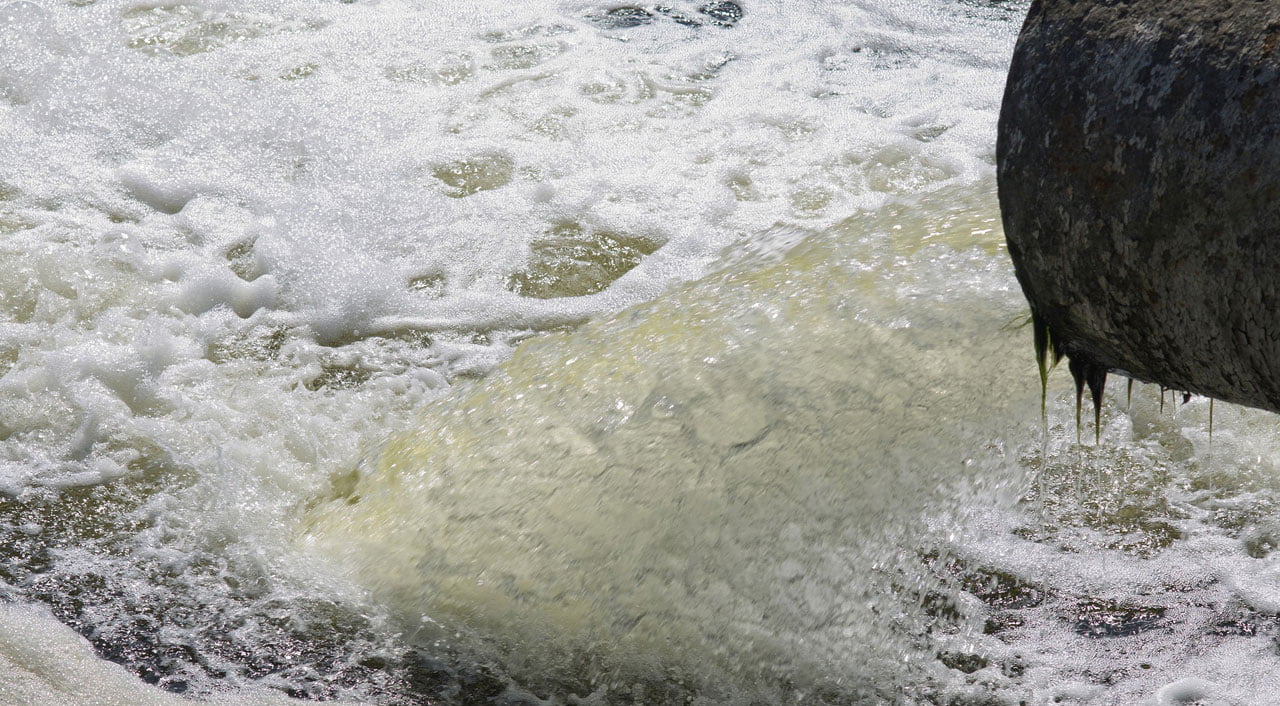
Shocking Contamination of England’s Rivers
Last month saw the publication of a shocking report from the Environmental Audit Committee with the damning finding that every single river in England is contaminated with a cocktail of chemicals, putting health and nature at serious risk.
People across the country using rivers, for activities ranging from sports and swimming to fishing, risk falling ill from bacteria in sewage and slurry. Chemicals, plastics and an excess of nutrients are choking the water, threatening our rich biodiversity of plant, fish and insect life.
Water companies are second only to agriculture in polluting rivers, regularly discharging raw sewage into rivers and failing to disclose overflows, the report says .
The water industry, agriculture and commercial sectors urgently need better solutions and more effective environmental returns for their investment.
The Challenge for Water Companies
Water companies are already under severe pressure from regulators to meet ever-tighter discharge consents, often with creaking infrastructure and old or overloaded wastewater treatment plant. Pressures from consumers for both increased water quality and price control present real challenges to water companies to ‘clean up their act’.
Throughout England and Wales, water companies have promised to invest £4bn by 2025 to reduce sewage leaks. The water industry, agriculture and commercial sectors urgently need better solutions and more effective environmental returns for their investment.
What can be done?
Plantwork Systems’ Oxi-Filter Unit is an example of just such a highly effective solution. Developed from the experience of Water and Sewerage Company site operators, the Oxi-Filter Unit is a unique product which has been developed specifically to provide an effective additional treatment step for the reduction of Suspended Solids in final effluent.
An Oxi-Filter Unit is easily installed within an existing plant to ensure the final effluent quality remains within consent and can achieve solids removal levels in excess of 70% with no moving parts. It represents an ideal solution to extend the life of failing wastewater treatment works and delay the need for significant capital investment.
Oxi-Filter Units are ideal for sites where discharge consent levels for suspended solids are at risk, or are already being exceeded, due to issues such as plant overloading or seasonal shedding. The system has no moving parts and requires no power, which makes it a viable solution for installation in remote locations.
River Lemon nr. Newton Abbott, Devon – protected by Oxi-Filter Unit
One example of the effectiveness of this solution is at East Ogwell Sewage Treatment Works (STW) in Devon where, according to the Project Lead at South West Water, “The site has gone from being regularly on the ‘at risk’ list to being reliably compliant.”
River Lemon, near Newton Abbott

Since the installation of the Oxi-Filter Unit in 2015, the site has operated reliably within discharge permit levels and there has been a significant improvement in effluent quality.
East Ogwell STW is a quiet and secluded treatment plant located close to the River Lemon, near Newton Abbot. It is a trickling filter works serving a population of about 800. Prior to the installation of Oxi-Fiulter Units, the site was very close to breaching its discharge permit levels. South West Water were keen to ensure that the site operated more comfortably within the limits set for total suspended solids and BOD/COD (biochemical oxygen demand/chemical oxygen demand).
Plantwork Systems installed two Oxi-Filter Units in part of the disused sludge drying beds to remove solids from the final effluent of the site. Since their installation in 2015, the site has operated reliably within discharge permit levels and there has been a significant improvement in effluent quality.
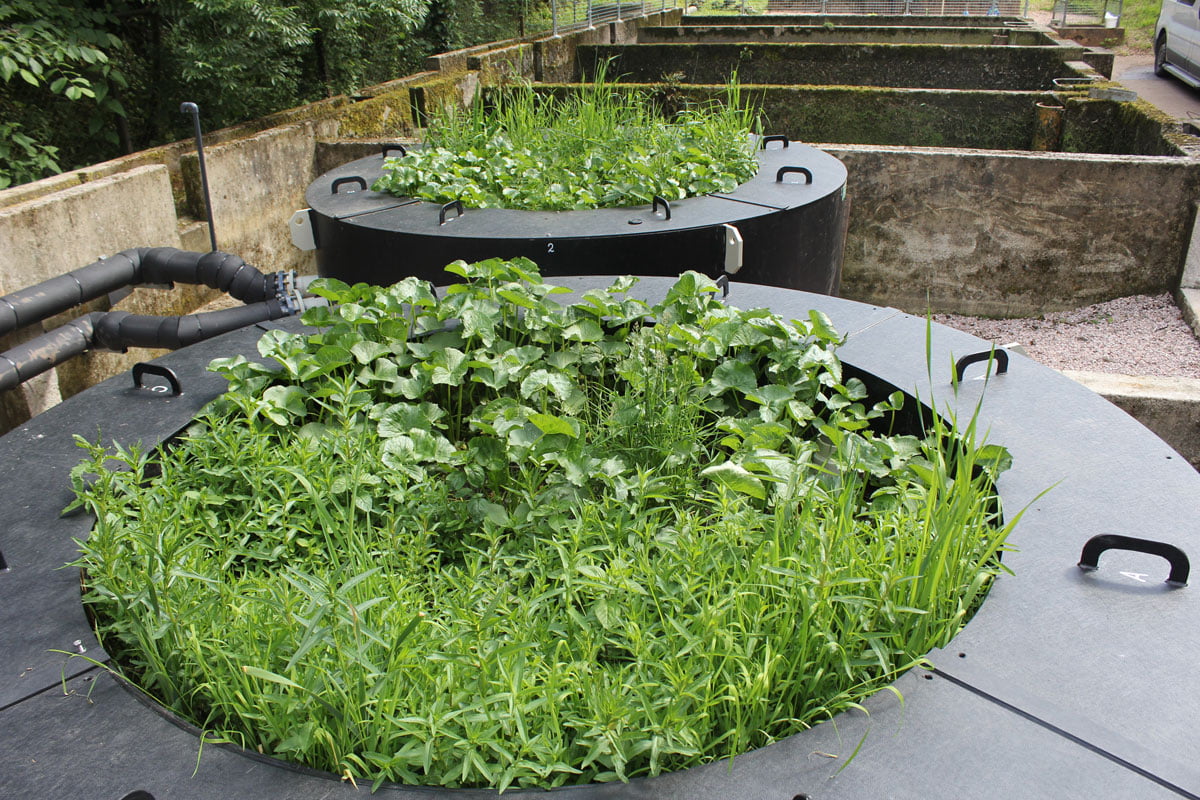
Significant Benefits
The Oxi-Filter Units offer a number of significant benefits:
- Easy installation – delivered as one complete ‘plug and play’ unit, in most cases taking no more than 1-2 days to install.
- Lightweight and easy to transport.
- No moving parts.
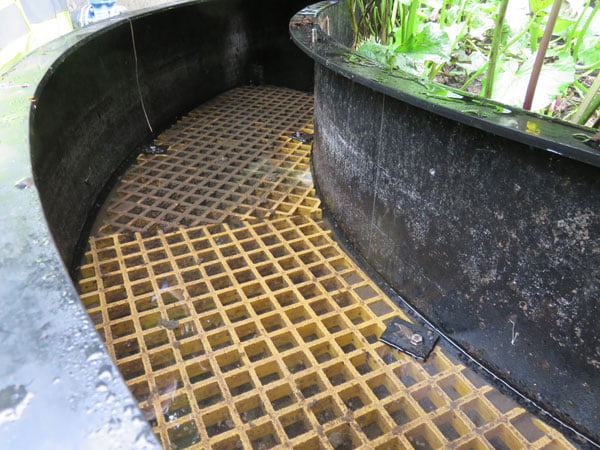
- Easy maintenance and servicing – removable covers and no need to remove the media for cleaning.
- Peak flow treatment up to 3 litres per second.
- Optimal solids removal – levels of over 70% can be achieved
- Scalable – multiple units can be installed to service flows from larger works.
- Affordable and flexible solution – they can be moved between WwTPs
Performance & Maintenance
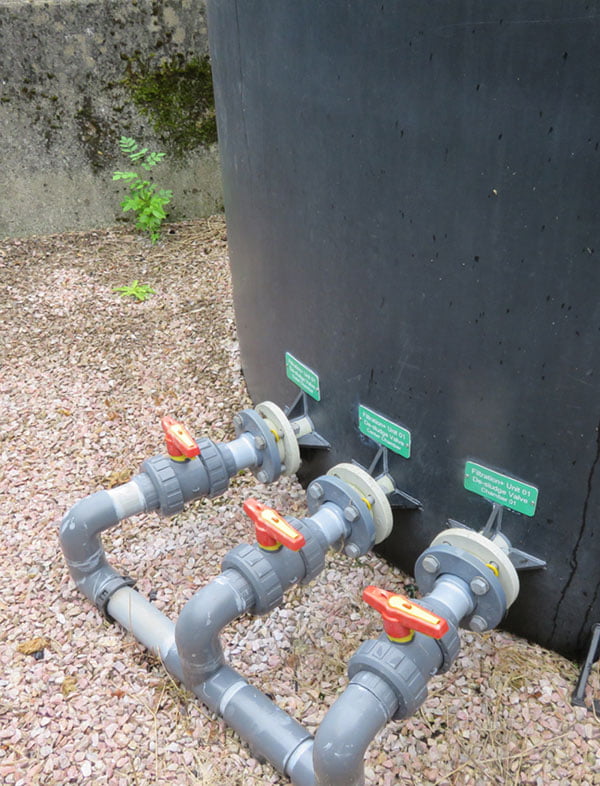
The Oxi-Filter Units have operated successfully at East Ogwell STW for over 6 years. They remain in excellent condition whilst requiring only a few minutes maintenance each week by South West Water operators to carry out manual de-sludging.
The units reliably handle the flow to full treatment (FFT) of 5.2l/s and maintain solids removal performance.
The Oxi-Filter Units saves significant investment whilst still ensuring higher water quality standards are met
We CAN do Better
The Environmental Audit Committee report clearly indicates a very serious level of freshwater pollution across the whole country which cannot be sustained. Plantwork Systems’ products and processes are a powerful example of the kind of integrated solutions that are needed to reverse this unacceptable trend. The Oxi-Filter Unit is one such solution for the reduction of Suspended Solids in final effluent, but there is a strong synergy between Plantwork Systems’ technologies which enables solutions to be developed to cater for many stages of wastewater treatment.
We stand ready to offer our extensive technical expertise and unique experience to create, supply and promote innovative products and services to both the wastewater treatment industry and the commercial sector to meet these increasing challenges, in the hope that the next Committee report will not prove such alarming reading.
Article by Alec Bond, Environmental and Sustainability Specialist, Plantwork Systems