Breathing New Life into Trickling Filter Works: How the PWS Spiral Separator Can Transform Humus Sludge Settlement

Plantwork Systems logo icon

Ian Loader

14th August 2026

With AMP8 set to deliver major investment across the UK water industry, water companies face a common challenge: how do you increase treatment capacity and improve effluent quality without replacing existing assets?

For many wastewater treatment works, particularly those using trickling filters and Rotating Biological Contactors (RBCs), the answer may lie in improving the efficiency of biological solids settlement.

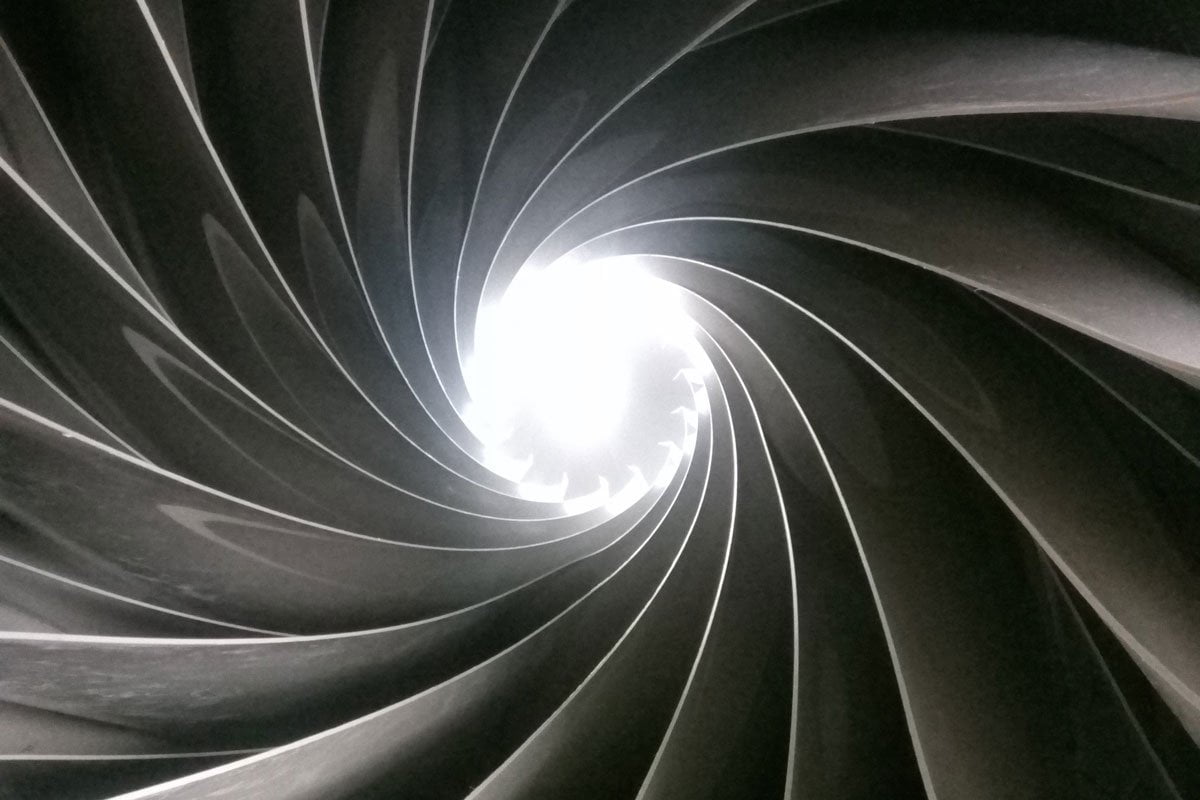
The Plantwork Systems (PWS) Spiral Separator offers a compact, high-rate alternative to conventional humus tanks, helping operators increase performance while minimising land requirements and civil engineering costs.
Static Sludge Thickener Plate Pack

A Smarter Approach to Biological Solids Settlement

Whether a treatment works uses a humus tank following a trickling filter or a final settlement tank after an activated sludge process, the objective is the same: to separate biological solids from treated wastewater before discharge.

Many existing humus tanks were designed decades ago and are now operating close to their hydraulic limits. As populations grow and discharge standards become more demanding, these assets are increasingly under pressure.

Rather than constructing additional settlement tanks, the PWS Spiral Separator offers the opportunity to enhance solids separation within a much smaller footprint.

Improve Performance Without Major Civil Engineering

Traditional humus tanks rely on large settlement volumes to remove biological solids.

The Spiral Separator achieves rapid solids separation in a compact unit, making it particularly attractive where:

  • Existing humus tanks have reached capacity.
  • Land for expansion is unavailable.
  • Treatment works require upgrading during AMP8.
  • Capital expenditure and construction costs need to be minimised.

Because the system can be retrofitted to existing sites, operators may be able to increase treatment performance without major changes to the existing process.

Better Effluent Quality

Effective removal of humus sludge is essential for maintaining high final effluent quality.

Improved solids separation can help reduce:

  • Final suspended solids concentrations.
  • Particulate Biological Oxygen Demand (BOD).
  • The risk of non-compliance with discharge consents.

As environmental regulations continue to tighten, improving settlement performance becomes increasingly important for maintaining regulatory compliance.

Unlock Additional Treatment Capacity

Many trickling filter works are hydraulically constrained by the capacity of their humus tanks rather than the biological filters themselves.

By replacing or supplementing conventional settlement with a high-rate separator, water companies may be able to increase hydraulic throughput without constructing additional tanks.

This provides a practical solution for sites where increased flows are placing pressure on existing infrastructure.

Supporting Existing Assets for the Long Term

Thousands of trickling filter installations continue to serve communities across the UK. For many smaller and rural treatment works, replacing these assets with activated sludge plants would require significant capital investment that is difficult to justify.

Instead, upgrading the settlement stage offers an opportunity to extend the life of proven treatment processes while improving overall performance.

The Spiral Separator is particularly well suited to:

  • Trickling filter humus sludge settlement.
  • Rotating Biological Contactor (RBC) plants.
  • Small and medium-sized wastewater treatment works.
  • Rural sewage treatment facilities.
  • Retrofit upgrades to ageing infrastructure.

Separated biological sludge can then be transferred for thickening, digestion or mechanical dewatering using existing sludge treatment facilities.

A Strong Fit for AMP8

AMP8 places a strong emphasis on asset optimisation, carbon reduction and improving treatment performance through innovation.

The PWS Spiral Separator supports these objectives by helping water companies:

  • Increase treatment capacity without major civil works.
  • Improve final effluent quality.
  • Reduce land requirements.
  • Enhance sludge management.
  • Support lower-carbon infrastructure upgrades.

Perhaps its greatest strength is not simply that it separates solids, but that it has the potential to act as a high-rate replacement for conventional humus tanks.

For the many trickling filter works expected to remain in operation for years to come, this represents an opportunity to improve performance, increase resilience and maximise the value of existing assets—without the cost and disruption of major reconstruction.

Click here for more information on the Spiral Separator.

MAIN BENEFITS OF SPIRAL SEPARATOR

  • 3% of the site area is required when compared to conventional tanks and only about 25% when compared to lamella separators.
  • Thicker sludge is produced – typically 6% dry solids (thicker can be produced if required). In many cases, this saves one stage of sludge treatment.
  • Low cost to cover for odour control – once covered the volume of air needed to be treated is typically 1%  compared to conventional tanks.
  • Reduced visual impact makes it suitable for urban sites and sites next to areas with public access.
  • Anaerobic Digestion – ideal solution for efficient extraction of high calorific primary sludge for Anaerobic Digestion as part of utilities CHP programs.
Article by Ian Loader, Director, Plantwork Systems

Contact us for further information:

Tel: 01420 590400
Email: [email protected]
Web: www.plantworksystems.com