From Phosphorus Compliance to Nitrogen Control: The Next Phase of Water Quality Improvement

Ian Loader
Plantwork Systems – pushing the boundaries of nitrogen removal with NUTREM
Nitrogen removal is becoming a critical priority in the UK water sector, with strict consent levels of under 5mg/l being set in certain environments for the coming years.
While nitrogen is essential for life, excessive discharges from wastewater treatment works can cause significant environmental harm. In many UK catchments, treated effluent makes up a large proportion of water flow, meaning uncontrolled nitrogen inputs can seriously disrupt aquatic ecosystems.
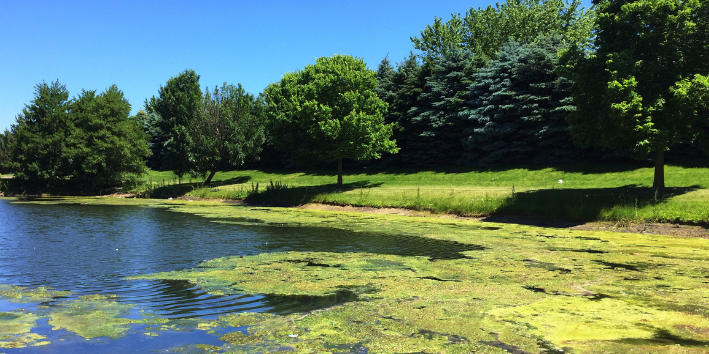
Just like phosphorus, excess nitrogen contributes to eutrophication, stimulating algal blooms that block sunlight and reduce dissolved oxygen levels when they decompose. This can lead to hypoxic or anoxic conditions, harming fish and invertebrates. Ammonia is directly toxic to aquatic life, while nitrate drives nutrient enrichment in rivers, estuaries such as the Solent, and coastal waters including parts of the North Sea. Sensitive habitats like chalk streams, SSSIs (Sites of Special Scientific Interest) and SACs (Special Areas of Conservation) are particularly vulnerable.
During AMP7 and into AMP8, the wastewater industry regulatory focus has largely targeted phosphorus removal, with significant investment in tighter consents and enhanced treatment, usually within inland and fresh waterways. As phosphorus reductions are embedded, nitrogen is emerging as the next key nutrient challenge, particularly in estuarine and coastal catchments where it is often the limiting nutrient.
UK government and Environment Agency policy recognises that both nitrogen and phosphorus contribute to nutrient pollution, and that effective water quality management requires an integrated approach addressing both nutrients according to the sensitivity of the receiving environment.
So how can we tackle nutrient removal in a sustainable and environmentally way – without using dangerous and destructive chemicals?

PWS NUTREM addresses this through advanced Biological Nutrient Removal (BNR), enabling the removal of phosphorus or nitrogen, or even an integrated approach to the removal of both, within a single process with no reliance on chemical dosing.
Its unique and innovative capability has been recognised by Southern Water, which has selected Plantwork Systems to carry out nitrogen removal trials at Petersfield in Hampshire.
Although Plantwork Systems has already achieved targets of below 5mg/l for nitrogen removal, we will be pushing the boundaries for what is technically achievable at the NTAL, in readiness for even stricter nitrogen removal targets, likely to follow in AMP9.
As the industry moves beyond phosphorus compliance, solutions such as NUTREM will be central to meeting future nitrogen targets and protecting the UK’s water environment.
Benefits of NUTREM – a unique BNR solution from Plantwork Systems…
We have 12 month data sets from a 3rd party independent laboratory analysis of our final effluent (results available upon request) that shows we are reducing P and N to Technically Achievable Levels:
- Total Phosphorus (TP) – <0.25mg/l
- Total Nitrogen (TN) – <5mg/l
- No chemical dosing requirements – WE ARE PROUD TO BE CHEMICAL FREE
- Effective in all seasons (i.e. including weak sewage strengths)
- Lower capital expenditure than traditional treatment solutions
- Lower operating costs than traditional treatment solutions
- Smaller footprint, with resulting cost saving
- Modular and scalable, allowing cost to be spread
- High quality effluent suitable for non-potable re-use (non-drinking water use such as irrigation)
- Virtually odour free process
- No corrosive by-products
Get in touch today for more information.
Tel: 01420 590 400
Email: [email protected]
Web: www.plantworksystems.com