
Unlock Hidden Efficiencies: How Spiral Separators Significantly Increase Water Assets

Plantwork Systems logo icon

Ian Loader

11th November 2026

The UK water industry faces unprecedented pressure to deliver resilient, high-quality water while reducing costs and meeting ambitious environmental targets. With ageing infrastructure, tighter regulations, unprecedented droughts and growing demand, companies need practical solutions which optimise existing assets rather than relying on major new capital infrastructure. Here’s how Plantwork Systems’ unique deHoxar Spiral Separator helps.

The UK water industry is facing increasing pressure to deliver high-quality drinking water while reducing costs, improving resilience and meeting ambitious environmental targets. With ageing infrastructure, tighter regulations and growing demand, water companies are looking for innovative ways to optimise existing assets rather than relying solely on major capital investment.

Plantwork Systems’ spiral technology saves on capital and operational investment and provides additional water…
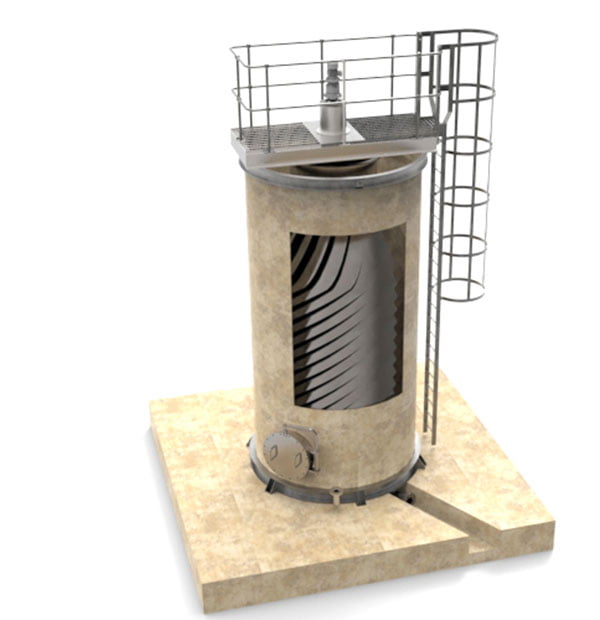
The Plantwork Systems Spiral Separator serves as a powerful process enabler – maximising water recovery, transforming solids management, and shrinking the physical footprint required for treatment at facilities.

1. Recovering Water That Would Otherwise Be Lost

Water recovery is becoming increasingly important as the industry seeks to improve resilience and reduce abstraction.

Rapid gravity filters and sand filters require regular backwashing, generating water containing suspended solids and coagulant residues. Instead of sending this water to waste, the Spiral Separator can remove the solids so that the clarified water can be returned to the treatment process, subject to regulatory approval.

Case Study: Burham Water Treatment Works

At Burham Water Treatment Works, water recovered from sludge treatment is safely recycled back into the process.

  • Before: ~7 megalitres per day (ML/d) discharged as waste.

  • After: Less than 1 ML/d lost, returning over 6 ML/d of clean water to the plant intake.

2. Transforming Sludge Management

Every water treatment works generates sludge through clarification, coagulation, and manganese/iron removal. Traditionally, this material requires vast lagoons or energy-intensive thickening assets, as well as polymer dosing plants.

By integrating a Plantwork Systems Spiral Separator, a significantly thicker sludge can be produced on a fraction of the footprint. The result?

  • Reduced physical footprint on site.

  • Fewer tanker movements on local roads.

  • Lower whole-life operating costs.

3. Solved Space Constraints: From Compact Rural Sites to Large Scale Regional Sites

There are thousands of water treatment works and the footprint of sites varies wildly:

  • Rural & Compact Sites (<5 ML/d): the PWS Spiral Separator fits easily into restricted areas where expansions are most difficult and costly.

  • Regional Works (50+ ML/d): The Spiral Separator supplements existing settlement processes, expanding capacity and output during peak times.

  • Temporary & Modular Deployments: Perfect for containerised emergency plants, enhancing output during droughts, and planned maintenance outages.

4. Direct Support for Achieving Regulatory Targets and Net Zero Goals

Under the AMP8 framework, operational efficiency and sustainability are linked like never before. The Plantwork Systems Spiral Separator supports these mandates by:

1. Enhancing Circularity: Keeping valuable water within the distribution cycle.

2. Lowering Carbon Emissions: Cutting down mileage due to haulage and sludge transport.

3. Reducing Energy Consumption: Minimising heavy pumping requirements.

For many treatment works, the Plantwork Systems’ Spiral Separator represents a massive opportunity to improve efficiency and reduce whole-life operating costs.

Contact Us Today To Find Out more

Article by Ian Loader, Plantwork Systems Managing Director